Get RNS’ thoughtful, essential religion reporting every morning. Sign up for free!
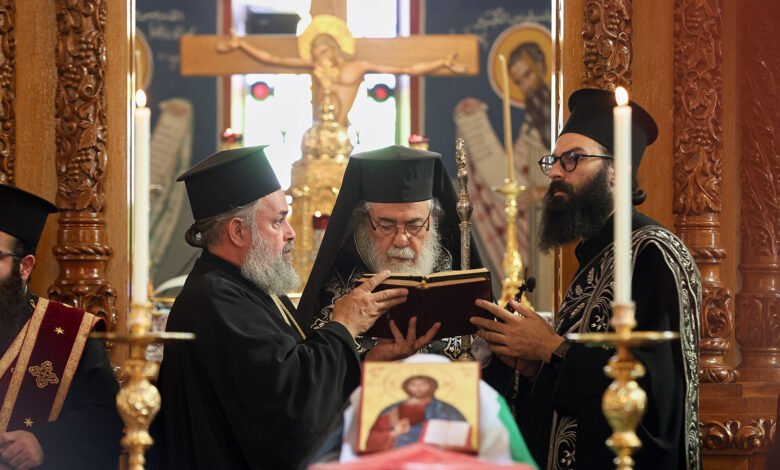
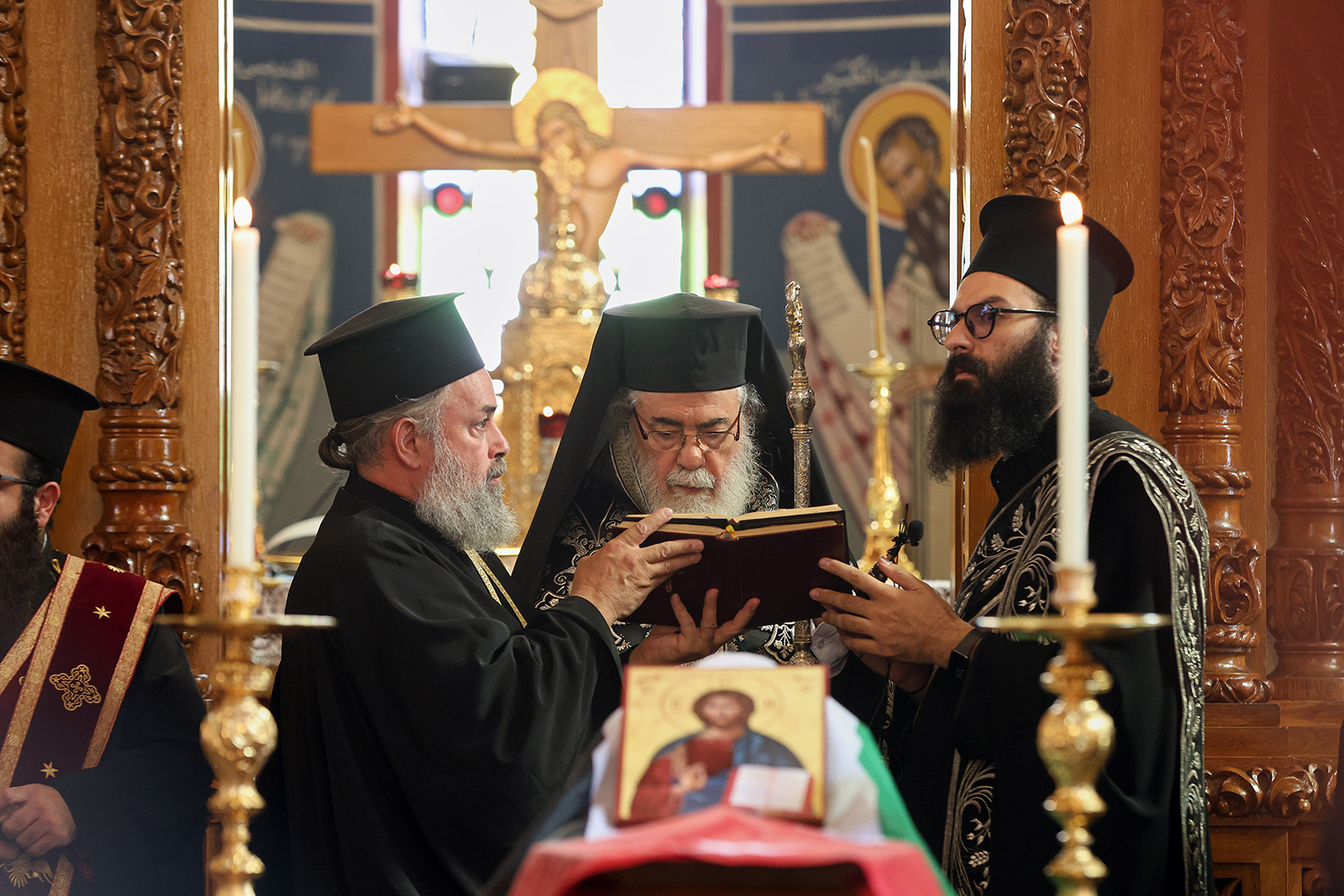
(RNS) — On Oct. 23, gunmen opened fire at a church funeral in southern Jordan, killing nine Christians and wounding dozens, including Muslims who had come to offer condolences. Three days later, Jordanian security forces arrested three suspects, whom authorities described as violent extremists.
Within 24 hours, hospitals in Karak collected 629 units of donated blood from across Jordan. Christian youth leader Yazan Melkonian reported that Muslim men insisted on donating first. He welcomed their solidarity and praised Jordan’s stance against extremism, while urging concrete action to confront the religious hatred that still exists and threatens Christians.
The generosity was extraordinary. But the attack also exposed two concerns among Jordanian Christians. When some Muslims offered to protect them, Christians questioned why their safety should depend on anyone else’s promise. They are equal citizens, not guests, and Jordan’s Constitution guarantees their equality before the law. And while grateful for Jordan’s firm stance against extremism, they know that religious hatred remains a real threat. Their concern is not only who will protect them after an attack but what can be done to prevent the next one.
I have spent years coming to Jordan to work alongside Jordanian churches and young people. I know some of the Christians who were affected by the Oct. 23 attack. Their grief is personal to me, as is the deep pride they express in their country.
As a Palestinian-American Christian, I also know how easily the voices of Arab Christians get lost in American debates about the Middle East. But this is their story, and their message deserves to be heard. Jordanians know both the friendship of Muslim neighbors and the pain of religious prejudice. They are not asking to be rescued from their Muslim neighbors. They want us to understand that Jordan is their country, too.
One victim, Mohammed al-Qassous, was a Christian dentist known as the “doctor of the poor” for treating patients who could not afford care. His father deliberately chose the name Mohammed to express an Arab identity shared across religious lines. His surname means “pastors” in Arabic. Together, his names tell a story many Americans rarely hear: Christianity is not foreign to Arab society.
Christianity took root in Jordan centuries before Islam. Though Christians make up just over 2% of its population, they have helped build the country’s schools, hospitals, businesses and public institutions. King Abdullah II has recognized this history, noting in a 2022 interview that Arab Christians in Jordan and Jerusalem “have been here for 2,000 years.” Notably, the king visited the wounded after the attack. Crown Prince Hussein attended the funeral, while Queen Rania visited grieving families.
In 2018, the king received the Templeton Prize for promoting religious harmony. At the ceremony, U.N. Secretary-General António Guterres observed that his message went further: “Tolerance is not enough.” The debate now unfolding in Jordan shows why.
Jordan’s interior minister, Mazen al-Faraya, made a similar point after the attack. He rejected describing Christians as “dhimmis,” the historical term for non-Muslims granted protection under Muslim rule. They are equal citizens, he insisted. Jordan’s Constitution guarantees equality before the law regardless of religion.
In a social media post, my colleague Peter Nimri, who leads our work in Jordan, refused to let the attackers define his country. He expressed pride in the king and Jordan’s security services and gratitude for his Muslim friends. Yet he also acknowledged the hostility toward Christians that persists in parts of society. Arresting the suspects was necessary, he wrote, “But what about an ounce of prevention?”
That is the harder work ahead. Jordan’s security forces can arrest extremists, but preventing another attack requires confronting the ideas that fuel religious hatred. That means addressing incitement in schools, places of worship and online, holding those who promote violence accountable and protecting freedom of religion. Equal citizenship must mean more than recognition under the law. Christians must be able to live and worship without fear.
The question of who belongs is not unique to Jordan. Americans are wrestling with it, too. On October 25, President Donald Trump called Abdul El-Sayed, a Muslim American running for the Senate in Michigan, a “jihadist” and alleged Muslim Brotherhood ties without evidence. As a conservative voter, I may disagree with El-Sayed’s politics. But his faith does not make him less American. The circumstances are very different, but the principle is the same: In Jordan and America, no citizen’s right to belong should depend on the religious majority’s approval.
In 2030, Jordan plans to welcome pilgrims to commemorate 2,000 years since Jesus’ baptism, with the king supporting $120 million in development projects around Bethany Beyond the Jordan, the traditional site of Jesus’ baptism. I hope Americans will visit. But why wait until 2030? Go now. Worship alongside Jordanian Christians. Listen to their stories. Support their churches and invest in the young people shaping their country’s future.
Come and see where Jesus was baptized, but don’t leave without meeting those who still follow him there. They deserve more than sympathy when attacked or admiration for their ancient heritage. They deserve the unquestioned right to live and thrive in the country that is already theirs.

(Fares Abraham is a Palestinian American Christian leader and founder of Levant Ministries, which works across the Middle East to strengthen Christian witness, serve various communities and promote peace. Follow him on Instagram and X at @faresabraham. The views expressed in this commentary do not necessarily reflect those of Religion News Service.)
Source link


